
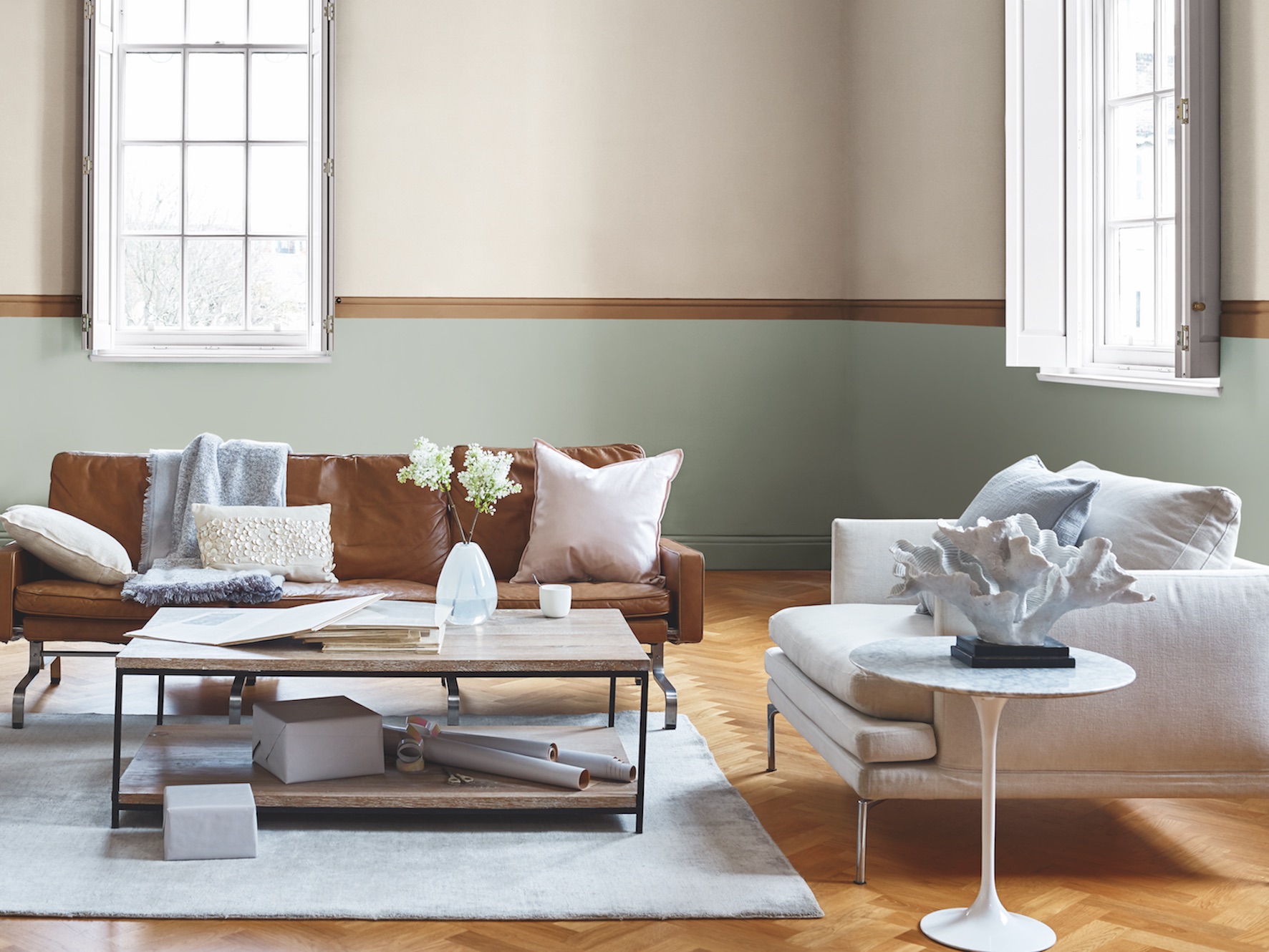
Interior design has always been a reflection of both heritage and evolving trends. Among the many features that have stood the test of time, the dado rail holds a special place. Once a purely practical addition to homes, it has gradually evolved into a design element that seamlessly blends tradition with modern style. Today, the dado rail continues to enhance interiors, proving that classic details never lose their charm.
Historically, dado rails were introduced as a functional feature. Their purpose was to protect walls from the wear and tear caused by chairs or furniture being pushed against them. Over time, however, the practical turned into the decorative. Homeowners and designers began to recognise the aesthetic potential of dado rails, using them not only for protection but also to introduce proportion, texture, and elegance to a room. What began as a necessity has now become a mark of thoughtful design.
One of the most captivating qualities of dado rails is their ability to bridge different design eras. In traditional settings, they echo the craftsmanship and attention to detail that defined earlier interiors. In more contemporary homes, they provide an opportunity to play with visual contrasts. A dado rail can divide a wall into two sections, encouraging the use of complementary colours, wallpapers, or textures that add depth and interest without overwhelming the space. This balance between function and style is what makes them timeless.
The flexibility of dado rails is another reason for their continued appeal. They work just as beautifully in a period property as they do in a newly built home. When paired with soft, muted tones, they enhance a calm and classic environment. Alternatively, when combined with bold shades or modern finishes, they create a striking feature that elevates the entire room. Their versatility ensures that they adapt to both personal taste and architectural context, making them suitable for almost any interior style.
In addition to their aesthetic qualities, dado rails contribute to the sense of proportion within a space. By visually breaking up a wall, they help create balance and draw the eye in a way that makes a room feel more harmonious. This sense of structure is especially valuable in larger rooms, where a dado rail can prevent walls from appearing bare or overwhelming. In smaller spaces, it can add subtle character without crowding the overall design.
The enduring popularity of dado rails lies in their ability to offer both subtlety and statement. For some, they are a delicate finishing touch that completes a room. For others, they are a central feature around which the rest of the interior is designed. Whether understated or bold, the dado rail continues to prove that small details can have a profound impact on atmosphere and style.
In the world of interior design, trends come and go, but certain elements remain consistently relevant. The dado rail is one such feature. Its journey from practicality to artistry demonstrates how tradition and modernity can coexist beautifully. By preserving its classic roots while embracing contemporary interpretations, the dado rail stands as a lasting symbol of elegance, proportion, and timeless design.