
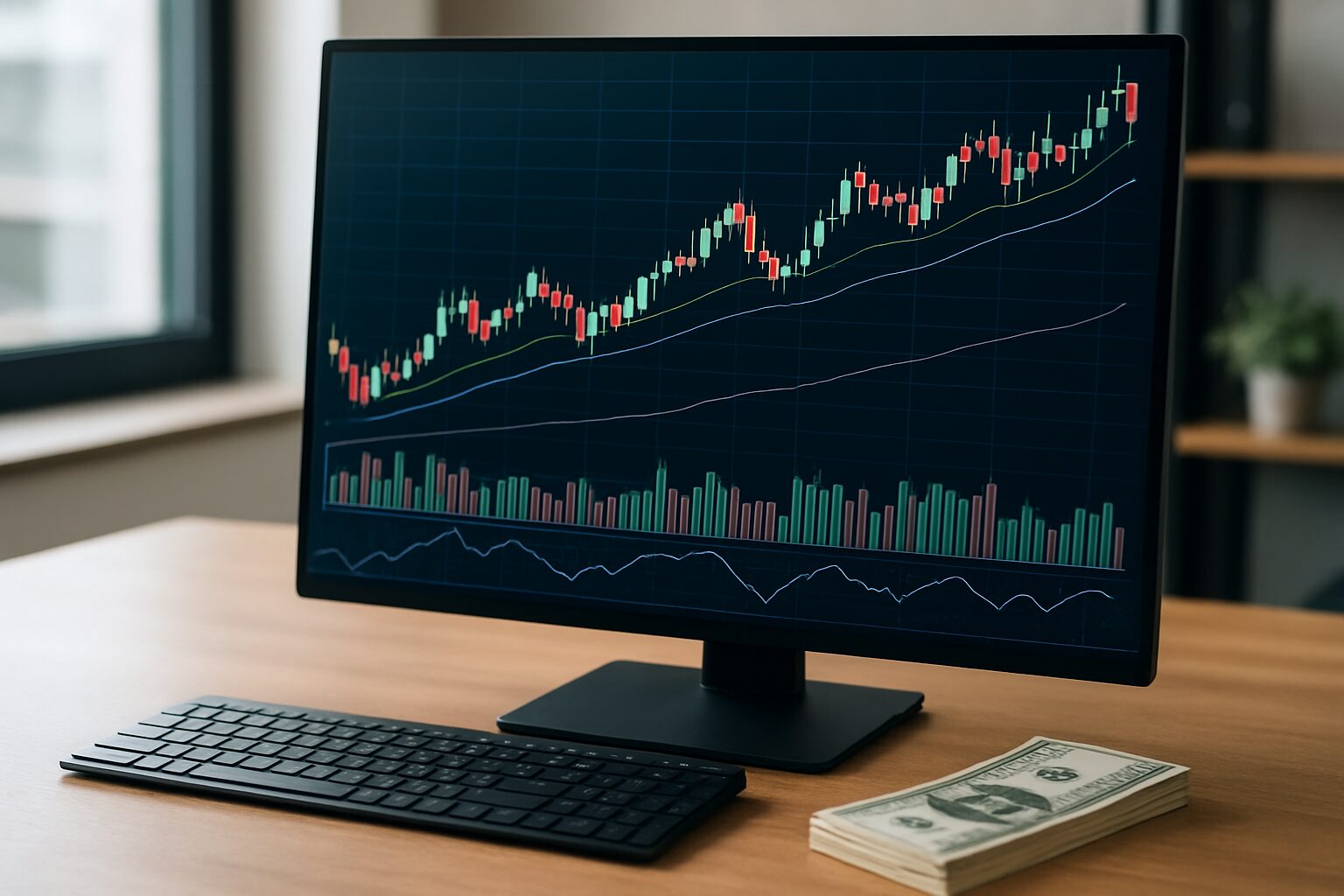
Successful market analysis often depends on having clear charts, practical trading tools, and an organized environment for monitoring price movements. The MT4 Platform provides a flexible setting for users who want to study market activity and manage trades through a range of charting and trading features. Its structured approach can support different trading styles while allowing users to customize their workspace according to their individual preferences.
Jump To
- Flexible Charting Environment
- Technical Analysis Features
- Multiple Timeframe Analysis
- Practical Trading Functions
- Customizable Workspace
- Monitoring Market Movements
- Supporting Different Trading Styles
- Conclusion
Flexible Charting Environment
Charts are central to many trading decisions because they present price information in a visual format. Users can examine market movements across different timeframes, making it possible to compare short-term fluctuations with broader trends.
A flexible charting environment can also allow traders to arrange several charts according to their preferred workflow. Different instruments can be monitored simultaneously, helping users compare market behavior without repeatedly changing between unrelated screens. Customization can make the analytical process more comfortable and organized.
Technical Analysis Features
Technical analysis involves studying historical and current price information to identify possible patterns and market trends. A platform with analytical tools can help traders examine price behavior from several perspectives.
Indicators can be used to study areas such as momentum, volatility, and trend direction. Traders may combine these tools with price patterns and other observations when developing their own market analysis. However, analytical indicators should be treated as supporting tools rather than guaranteed signals.
Multiple Timeframe Analysis
Different timeframes can provide different views of the same market. A shorter timeframe may show frequent price fluctuations, while a longer timeframe can reveal broader movements. Comparing these views can help traders develop a more complete understanding of market conditions.
Multiple timeframe analysis may be useful for both short-term and longer-term strategies. Users can select time periods that correspond with their trading approach and adjust their charts as market conditions change.
Practical Trading Functions
Charting is only one part of a complete trading environment. Users also need practical functions for opening, monitoring, adjusting, and closing positions. An organized trading interface can make these activities easier to manage.
Order-management features can help users establish trading parameters before entering a position. Traders may also use predetermined levels for managing potential gains or losses. Having a clear process for entering and exiting trades can contribute to more disciplined market participation.
Customizable Workspace
Every trader has different preferences when it comes to market analysis. Some may want several charts displayed at once, while others may prefer a simpler workspace focused on one instrument.
Customization allows users to arrange their charts and analytical tools according to their individual requirements. A well-organized workspace can reduce unnecessary distractions and make important information easier to locate. This can be particularly useful when monitoring several markets during active trading periods.
Monitoring Market Movements
Continuous market observation is important for traders who base decisions on changing price conditions. Watchlists and market-monitoring features can help users keep selected instruments readily available.
By organizing preferred markets, users can quickly review price changes and identify situations that may require further analysis. Efficient monitoring can save time and provide a more structured way to follow market activity.
Supporting Different Trading Styles
Flexible charting and trading tools can accommodate different approaches to market participation. Short-term traders may focus on smaller price movements and shorter timeframes, while longer-term traders may concentrate on broader trends.
The platform can provide a foundation for these different approaches, but the effectiveness of any strategy depends on the trader’s knowledge, planning, discipline, and risk management. Tools should be selected according to a clearly defined trading method rather than used without a consistent plan.
Conclusion
A well-organized trading environment can make market analysis more structured and convenient. The MT4 Platform combines flexible charting, technical analysis options, multiple timeframe views, and practical trading functions to support users with different approaches. Customizable workspaces and market-monitoring features can further improve the experience by keeping relevant information accessible. By learning how to use these features responsibly and combining them with careful analysis and risk management, traders can create a more disciplined approach to studying markets and managing their trading activities.