
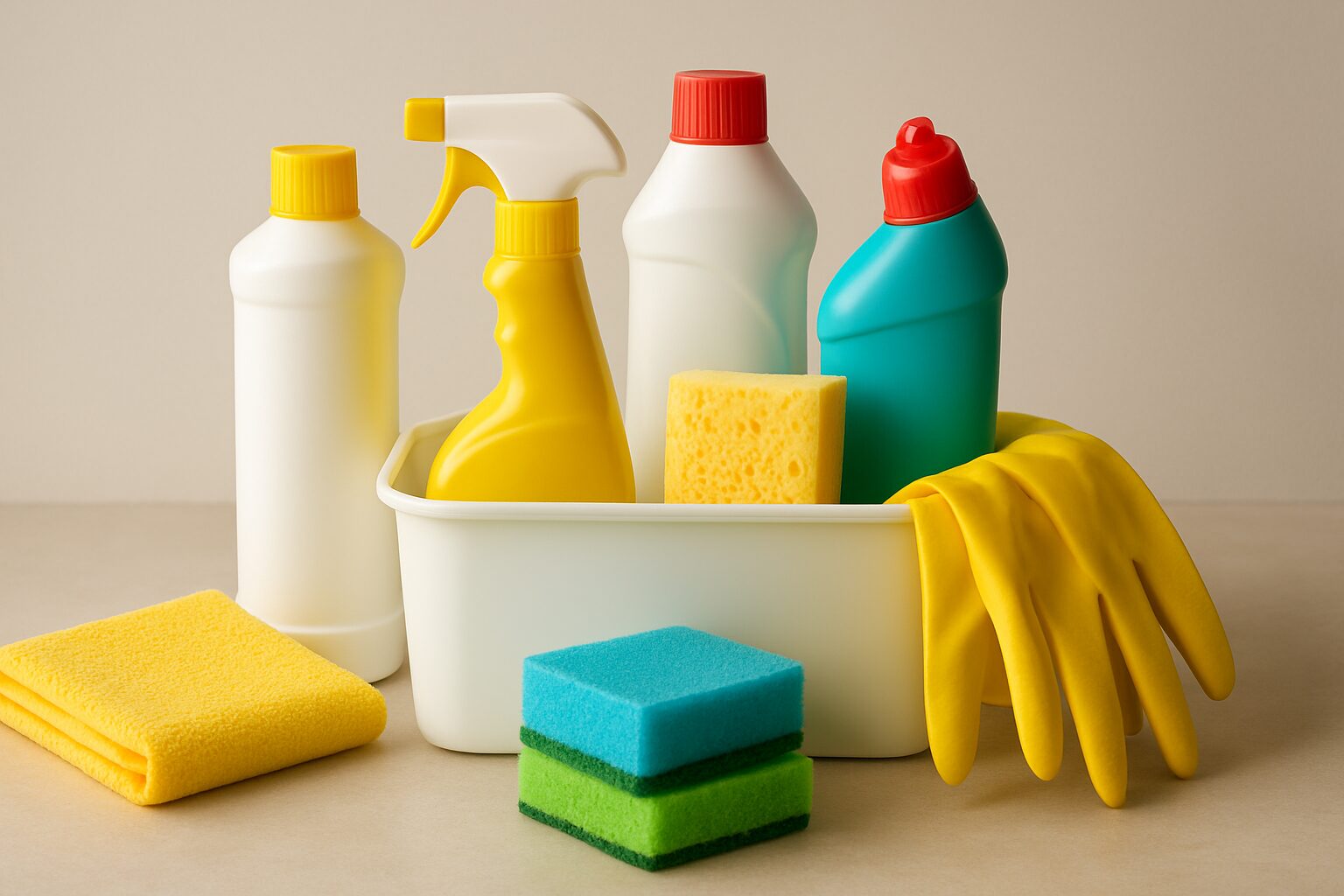
Maintaining a clean and organized living space does not have to require hours of work every day. With a practical schedule, simple habits, and the right approach, home cleaning can become a manageable part of everyday life. Regular maintenance helps control dust, prevent dirt from accumulating, reduce household odors, and create a more comfortable environment. By focusing on high-use areas and completing small tasks consistently, homeowners can maintain a fresher space without relying on exhausting cleaning sessions.
Why Everyday Cleaning Makes a Difference
Daily household activities naturally create mess. Cooking produces grease and food residue, outdoor footwear brings dirt inside, and frequently used furniture collects dust and fingerprints. When these tasks are postponed, minor messes can gradually develop into larger cleaning challenges.
A consistent routine helps prevent this buildup. Wiping kitchen counters after preparing meals, putting away personal belongings, and sweeping visible debris can make a noticeable difference in how a home looks and feels.
Cleaning frequency should reflect the needs of each household. Homes with children, pets, or busy shared spaces may require more frequent attention than smaller households with limited daily activity. Rather than following a rigid schedule, it is more practical to establish routines that match everyday habits.
Start With a Simple Daily Cleaning Schedule
One of the most effective ways to simplify household maintenance is to divide responsibilities into short, manageable sessions. Instead of attempting to clean every room at once, focus on essential tasks throughout the day.
A morning routine might include making beds, opening windows when outdoor conditions permit, and returning misplaced items to their proper locations. During the day, wiping spills immediately and cleaning kitchen surfaces after use can prevent unnecessary buildup.
An evening reset can involve washing dishes, clearing countertops, organizing the living room, and preparing frequently used areas for the following morning. These small activities help maintain order without requiring a significant time commitment.
The goal is consistency rather than perfection. A realistic routine that fits into everyday life is more sustainable than an ambitious schedule that becomes difficult to maintain.
Focus on High-Traffic Areas First
Certain parts of a home become dirty more quickly because they receive frequent use. Entryways, kitchens, bathrooms, and living rooms generally deserve priority when time is limited.
Entryways collect outdoor dirt and debris, making regular sweeping and floor maintenance useful. Kitchen surfaces require attention because food particles, grease, and spills can accumulate during meal preparation. Bathrooms benefit from routine cleaning of sinks, faucets, toilets, and other frequently touched surfaces.
Living rooms often collect dust on tables, shelves, upholstery, and electronic equipment. Using suitable microfiber cloths and vacuuming floors regularly can help manage this accumulation.
Prioritizing these areas ensures that limited cleaning time is directed toward the spaces that have the greatest impact on daily comfort.
Weekly Cleaning Tasks That Keep a Home Organized
Daily maintenance handles immediate mess, while weekly cleaning addresses areas that need more detailed attention. A structured weekly checklist can prevent neglected tasks from accumulating.
Cleaning task
Suggested frequency
Primary purpose
Dusting furniture and shelves
Weekly or as needed
Controls surface dust
Vacuuming carpets and rugs
Weekly or more often
Removes accumulated debris
Mopping hard floors
Weekly or as needed
Removes dirt and residue
Cleaning bathroom fixtures
Weekly or more often
Manages grime and moisture
Changing bed linens
Generally weekly
Maintains fabric cleanliness
Cleaning appliance exteriors
Weekly or as needed
Removes fingerprints and spills
Emptying and cleaning waste bins
As needed
Helps control odors
These frequencies are general recommendations. Actual requirements vary according to the number of occupants, household activities, pets, and environmental conditions.
Use the Right Tools for Better Results
Appropriate cleaning tools can reduce effort and improve consistency. Microfiber cloths are useful for many dusting and surface-wiping tasks, while a suitable vacuum cleaner helps remove debris from floors, rugs, and upholstery.
A mop designed for the flooring material can help prevent excessive moisture and unwanted surface damage. Separate cloths for kitchens and bathrooms also help reduce the risk of transferring contaminants between areas.
Cleaning products should always be selected according to the surface and the manufacturer’s instructions. Using excessive amounts of detergent does not necessarily improve results and may leave residue behind.
Safety is equally important. Never mix cleaning chemicals, especially bleach with ammonia or acidic products. Keep supplies away from children and pets, and ensure adequate ventilation when using products that require it.
Reduce Clutter Before Cleaning
Clutter can make ordinary maintenance more difficult because objects prevent easy access to floors, shelves, and countertops. Taking a few minutes to organize belongings before cleaning helps create a more efficient process.
Use designated storage spaces for shoes, paperwork, toys, kitchen accessories, and other frequently used items. Return belongings to their proper locations after use, and periodically identify items that are no longer needed.
A useful strategy is to keep storage systems simple. Baskets, drawer organizers, and labeled containers can make it easier for household members to maintain order.
Reducing clutter also makes it easier to identify areas that need attention and helps prevent dust from collecting around unnecessary objects.
Make Cleaning More Efficient With Smart Habits
Small adjustments can improve the overall cleaning process. Working from top to bottom helps prevent dust from falling onto freshly cleaned surfaces. Cleaning dry areas before using water-based products can also make the workflow more efficient.
Keeping basic supplies together reduces the time spent searching for tools. Similarly, completing similar tasks in multiple rooms during one session can limit repeated setup and movement.
Households with demanding schedules may find it helpful to assign specific responsibilities to different family members. Dividing tasks makes maintenance more manageable and encourages shared responsibility.
For homes that need additional support, occasional professional assistance can complement regular household upkeep, particularly for detailed cleaning or difficult-to-reach areas.
Conclusion
Everyday household maintenance becomes easier when cleaning is approached as a series of manageable tasks rather than one major responsibility. By establishing a practical schedule, focusing on high-traffic areas, reducing clutter, and using appropriate tools, homeowners can maintain a cleaner and more organized living environment. Consistent habits also help prevent dirt and residue from building up, making deeper cleaning less demanding. The most effective routine is one that fits naturally into daily life and remains easy to follow over time.